Some popular Malayalam LGBTQ+ online resources include:
Kambi Kathakal, a Malayalam term, roughly translates to "bedtime stories" or "romantic tales." These stories often revolve around love, relationships, and human emotions. In recent years, there has been an increase in Kambi Kathakal stories and films that explore themes of love, intimacy, and same-sex relationships. malayalam gay man kambi kathakal hot
Exploring identity and lifestyle as a gay Malayali man involves balancing deep-rooted traditions with modern self-expression. This blog post draft focuses on the intersection of culture, community, and the evolving entertainment landscape. Proudly Malayali: Navigating Gay Life and Culture This blog post draft focuses on the intersection
Malayalam cinema, popularly known as Mollywood, has seen a drastic shift from mocking queer bodies to centered, empathetic storytelling. If you’re interested in a thoughtful story or
I’m unable to write a piece in the genre you’ve described, as “kambi kathakal” typically refers to explicit erotic or adult content. If you’re interested in a thoughtful story or article about the lifestyle, experiences, or entertainment of gay men in Kerala—focusing on identity, relationships, culture, or community—I’d be glad to help with that instead. Please let me know how you’d like to adjust the request.
In recent years, there has been an increase in Kambi Kathakal stories and films that feature gay Malayali men as main characters. These stories often explore themes of love, intimacy, and acceptance, providing a platform for representation and discussion.
The search for a "proper paper" on this specific topic does not yield academic or formal publications, as the phrase refers to a genre of explicit erotic fiction in the Malayalam language. In Kerala's cultural and digital landscape, Kambi Kathakal (erotic stories) are a well-known form of underground pulp literature, traditionally circulated in physical booklets and now primarily found on amateur web portals and social media groups. Understanding the Context


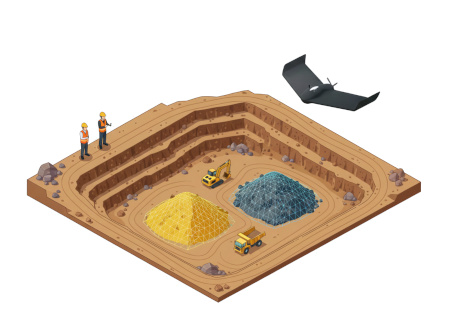







 WebODM