Repacking Software: Understanding the Concept and Its Implications Repacking software refers to the process of re-packaging or re-distributing existing software, often with modifications, to make it available for download or use from alternative sources. This practice can be observed in various contexts, including but not limited to, video games, applications, and system software. Reasons Behind Repackaging
Accessibility and Convenience : Some users may not have easy access to official distribution channels due to geographical or financial constraints. Repackaged software can make it easier for these users to access the software they need.
Modification for Specific Needs : In some cases, repackaging involves modifying the software to suit specific user needs or to include additional features not available in the original version.
Bypassing Restrictions : Repackaging can sometimes be used to bypass regional restrictions or to circumvent digital rights management (DRM) protections.
Considerations and Risks
Legal Implications : The legality of repackaging software varies by jurisdiction and is often dependent on the specific circumstances and the terms of the software's license agreement. Users should be aware of the potential for copyright infringement.
Security Risks : Software obtained from unofficial sources may be modified to include malware or vulnerabilities that can compromise the security of the user's system.
Support and Updates : Repackaged software may not include official support or updates, potentially leaving users without access to bug fixes or new features.
Best Practices for Software Distribution and Use
Official Channels : Whenever possible, use official distribution channels to ensure access to secure, supported versions of software.
License Agreements : Understand and comply with the terms of software licenses.
Security Measures : Implement robust security measures, including up-to-date antivirus software and cautious downloading practices.
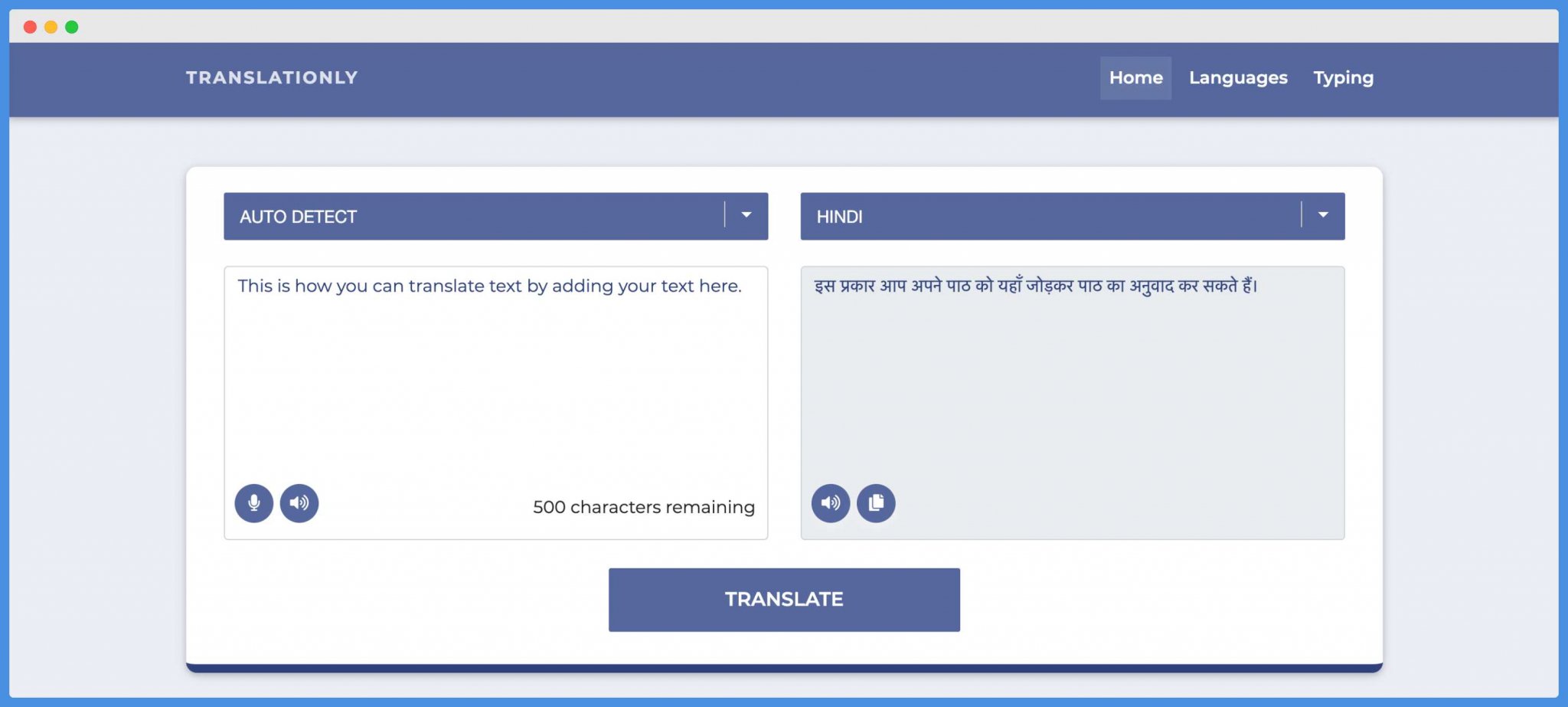
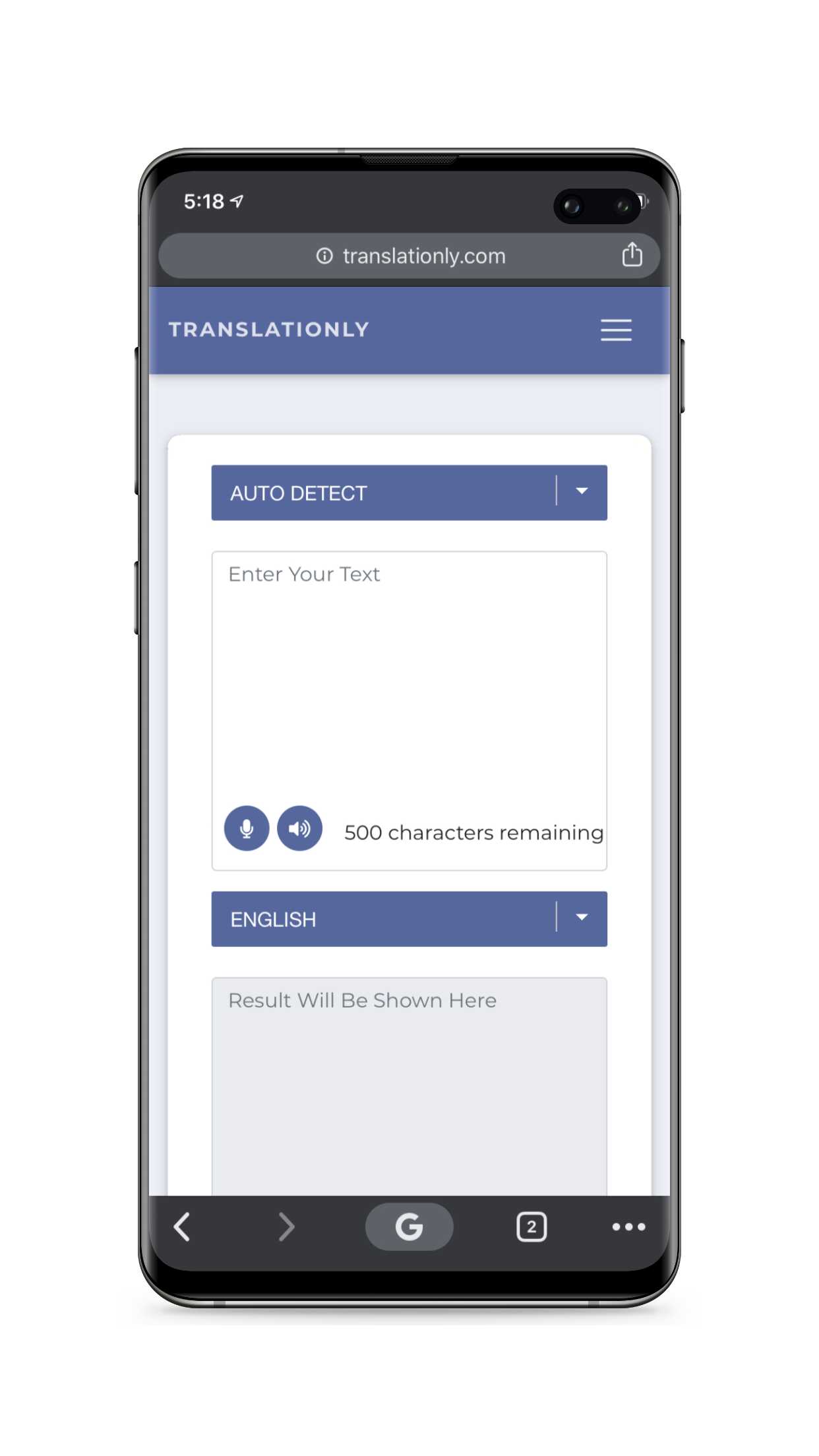
If you're having trouble translating your text from one language to another using translationly, then you can follow these steps to translate your text perfectly.
To translate your text, first of all, you've to choose the "Arabic as input language" and "Tamil as output language" in translationly. You can also check our supported languages for translation here.
Once you've chosen the "input" and "output" language, enter your text to be translated in the first box, or the input box (We recommend the text you want to translate must be the plain text for better translation).
Once you have entered the text which is to be translated in the input box, click on the "Translate" button, and you'll get the output of translated text in your preferred language.
The App is free and easy to use with all the functionality of Translationly.
Our impressive flexibility of multilingual language translation is what make it more impressive.
Save your time and hassle to write. Just speak and our AI will write for you. httpsrule34videocom repack
A website designed to be used on any kind of platform available. No worries for browser compatibility.
Not only we translate to different language. We also provide you with the facility to write your native vocabulary in any language and convert it to yours native. Repackaged software can make it easier for these
Want to use tranlationly to translate content of your website or to traslate your blog post as you write? Use our API.
One API for all the features to use on your website. Considerations and Risks Legal Implications : The legality
Our API Feature is much easy to use and highly customization as per your need.
Repacking Software: Understanding the Concept and Its Implications Repacking software refers to the process of re-packaging or re-distributing existing software, often with modifications, to make it available for download or use from alternative sources. This practice can be observed in various contexts, including but not limited to, video games, applications, and system software. Reasons Behind Repackaging
Accessibility and Convenience : Some users may not have easy access to official distribution channels due to geographical or financial constraints. Repackaged software can make it easier for these users to access the software they need.
Modification for Specific Needs : In some cases, repackaging involves modifying the software to suit specific user needs or to include additional features not available in the original version.
Bypassing Restrictions : Repackaging can sometimes be used to bypass regional restrictions or to circumvent digital rights management (DRM) protections.
Considerations and Risks
Legal Implications : The legality of repackaging software varies by jurisdiction and is often dependent on the specific circumstances and the terms of the software's license agreement. Users should be aware of the potential for copyright infringement.
Security Risks : Software obtained from unofficial sources may be modified to include malware or vulnerabilities that can compromise the security of the user's system.
Support and Updates : Repackaged software may not include official support or updates, potentially leaving users without access to bug fixes or new features.
Best Practices for Software Distribution and Use
Official Channels : Whenever possible, use official distribution channels to ensure access to secure, supported versions of software.
License Agreements : Understand and comply with the terms of software licenses.
Security Measures : Implement robust security measures, including up-to-date antivirus software and cautious downloading practices.